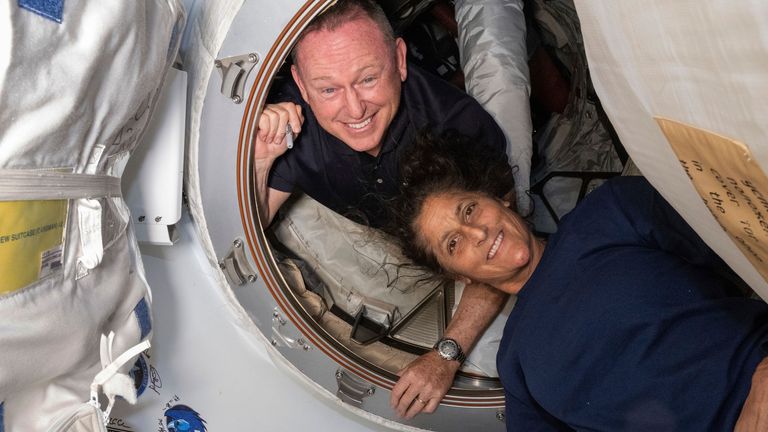
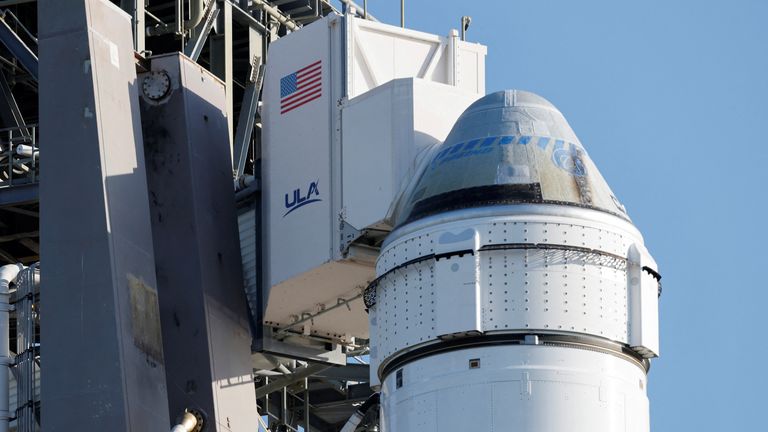
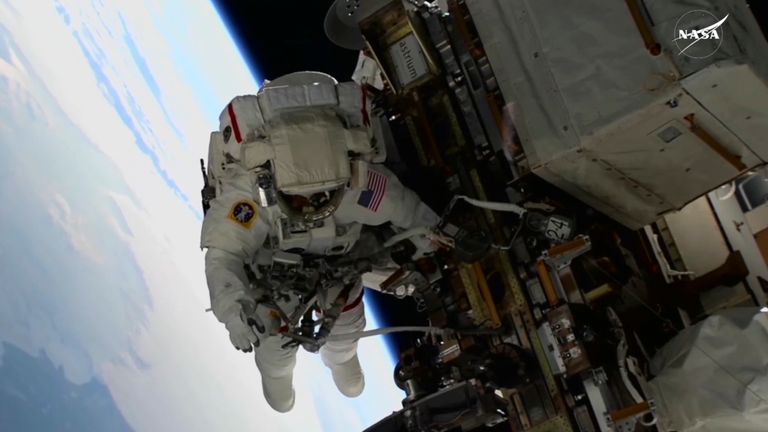
Butch Wilmore and Suni Williams, the two NASA astronauts “stranded” in space, came close to catastrophe because their spacecraft wasn’t ready to fly, according to a scathing report by the space agency.
The investigation classed the incident as a life-threatening “Type A mishap”, putting it on a par with the two fatal Space Shuttle disasters in 1986 and 2003.
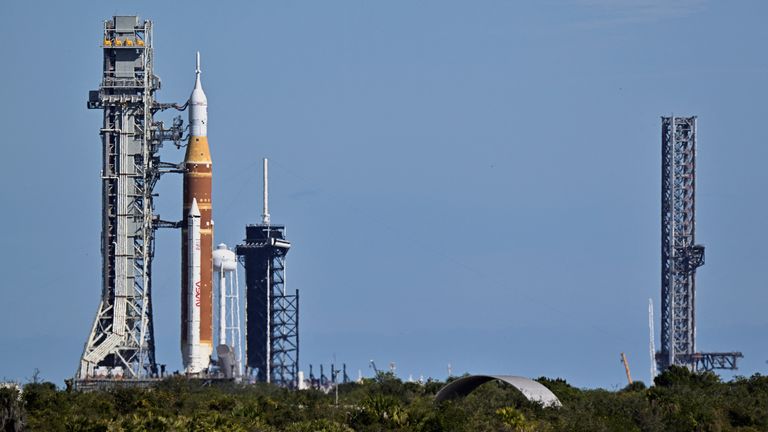
It comes as NASA prepares to launch four astronauts on a mission to loop around the moon on a rocket that has flown only once before, without humans on board.
One senior NASA official said of the Starliner incident: “We almost did have a really terrible day.”
The Boeing-built Starliner capsule was on its first crewed test flight to the International Space Station in June 2024 when its thrusters failed, leaving it dangerously out of control.
Mr Wilmore and Ms Williams managed to restart the propulsion system and manually dock with the ISS.
But Jared Isaacman, the new NASA chief, told a news conference: “Had different decisions been made, had thrusters not been recovered, or had docking been unsuccessful, the outcome of this mission could have been very, very different.”
The two astronauts had been due to spend 10 days on the ISS, but their stay was extended to nine months while NASA assessed the problem.
The capsule was eventually brought back to Earth without the two astronauts, but the new report reveals there were still issues with the thrusters during re-entry.
The Boeing Starliner had faced technical challenges throughout its development, including the use of flammable tape on electrical systems and a failure with the parachute system.
The report said the hardware failures were compounded by leadership mistakes and a cultural breakdown between Boeing and NASA.
Mr Isaacman said the capsule wasn’t ready for a crewed flight.
Boeing says it has driven “significant cultural changes” and made “substantial progress” on corrective actions for technical challenges since the incident.
Amit Kshatriya, another senior NASA official, said: “”This was a really challenging event in our recent history.
“We almost did have a really terrible day.”
NASA initially failed to classify the loss of propulsion as a type A mishap, even though it met the criteria because it was a “departure from controlled flight.”
The report said agency officials were too focused on getting an operational alternative to the Space X capsule that it relied on to shuttle crew to the ISS.
NASA said it led to a risk that was inconsistent with its human spaceflight safety standards.
“The record is now being corrected,” said Mr Isaacman.
Read more from Sky News:
Sky News gains rare access to Bank of England’s gold vaults
UK has not agreed to let US strike Iran from British bases
NASA and Boeing are still trying to work out why the thrusters failed and the Starliner won’t fly again until the problem has been resolved.
Mr Wilmore and Ms Williams have since retired from the agency.
NASA is about to launch a crew on the first mission to loop around the moon in more than 50 years.
The new SLS mega-rocket and Orion crew capsule have had a series of problems, including leaks of explosive hydrogen propellant during fuelling and issues with the spacecraft’s heatshield.
A countdown rehearsal last month was stopped early because hydrogen leaked from a seal between the filling hose and the rocket.
Engineers replaced the seal and another countdown test on Thursday night proved successful.
NASA says the heatshield has also been upgraded.
The first possible launch date for the Artemis mission is 6 March.
But NASA has said the crew will only launch when it’s confident the rocket is ready.
Source link